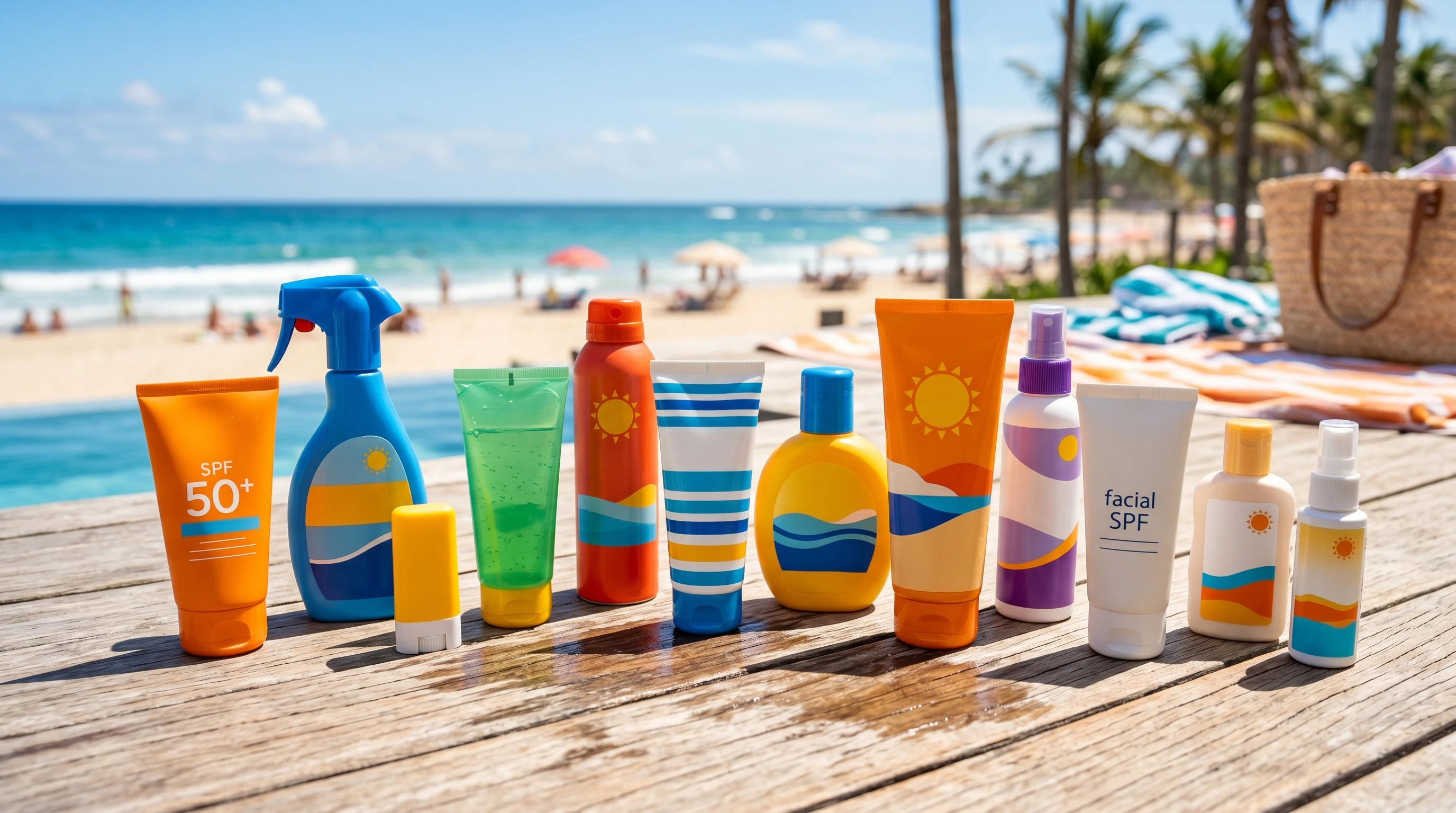
 Wondering which sunscreen actually fits your skin and lifestyle? I’ll break down the main types so you can pick what works for you.
With countless types of sunscreen available, figuring out which sunscreen fits your needs can seem overwhelming. Some target sensitive skin, while others are water-resistant for athletes or anyone active. Each formula brings its own advantages and drawbacks, so having a bit of information on how they work helps you make a confident choice.
Sunscreens come in many forms: lotions, sprays, sticks, gels, and more. Ingredients and texture make a big difference, especially if you have skin concerns or plan to be outside all day. Understanding the basics of physical versus chemical protection will help you sort through your options and feel good about your pick.
If you want to track down a sunscreen tailored to your lifestyle, skin type, and your outdoor plans, check out this straightforward guide to the different types of sunscreens and how to choose the one that’s best for you.
Quick Introduction to Sunscreen Types
Most people talk about two main types of sunscreen: physical (sometimes called mineral) and chemical. Both do a solid job protecting against sunburn, but they work in different ways. Deciding between them comes down to what feels best on your skin and what’s easiest to use for you.
Physical (Mineral) Sunscreens
Physical sunscreens use minerals such as zinc oxide or titanium dioxide as their key ingredients. These minerals sit on top of your skin and reflect UV rays away. A lot of folks with sensitive skin or skin conditions like eczema or rosacea go for mineral sunscreen because it’s less likely to cause irritation. It gives protection right after applying. The main complaint is it can leave a white cast, especially on deeper skin tones, but newer versions are less chalky than in the past.
- Active ingredients: Zinc oxide, titanium dioxide
- Best for: Sensitive skin, young children, those who want instant protection
- Things to know: May leave a white cast; some products feel thick
Chemical Sunscreens
Chemical sunscreens use ingredients like avobenzone, oxybenzone, and octocrylene to absorb UV rays and break them down before they reach deeper skin layers. These formulas are generally lighter and don’t leave a white cast, making them popular for people who dislike heavy sunscreen. Some with sensitive skin may react to certain chemical ingredients, but most folks use these without issues. For full protection, allow about 15–30 minutes after application before sun exposure.
- Active ingredients: Avobenzone, octinoxate, oxybenzone, octocrylene, homosalate, and more
- Best for: Daily use, under makeup, invisible protection seekers
- Things to know: Needs pre-application time; may irritate sensitive skin
Popular Sunscreen Formulations
Besides the main ingredients, sunscreens come in a wide range of formats. Each has its pros and cons, and the right pick depends on your routine and preferences.
Lotion and Cream Sunscreens
This is the most common sunscreen style and one I use for daily coverage. Lotions and creams are easy to apply and make it easier to spot missed areas. These formulas tend to offer some moisture, which works well for those with drier skin. They work for both face and body, and there’s a formula available for every skin type.
- Best for: Everyday use, normal to dry skin, full-body coverage
- Things to know: Can feel thick if you prefer lightweight formulas
Spray Sunscreens
Spray sunscreen makes it easy to cover tough spots like your back or shoulders and quick for reapplication. They’re a popular pick for families, athletes, and anyone frequently outdoors. Always spray plenty and rub it in for full, even coverage. Don’t spray near your face and avoid breathing it in. Sprays can seem less messy, but can waste some product outdoors on breezy days.
- Best for: Fast use, reapplications, kids, athletes
- Things to know: Always rub it in; pay attention to face areas and outdoor use
Gel Sunscreens
Gels go on clear and feel light. These are a great choice for oily or acne-prone skin, and they don’t leave skin greasy or sticky. Gels work well for hairy areas like the scalp or arms. They absorb quickly, which is welcome on busy, hot days.
- Best for: Oily or acne-prone skin, scalp, body hair, fast absorption
- Things to know: Not as moisturizing as lotions or creams
Stick Sunscreens
Stick sunscreen is perfect for faces, ears, and little corners. You get mess-free, portable sun protection—sticks fit in your bag or pocket with no worries about leaks. They work especially well for applying to kids who never sit still or for quick touchups on the go. Some sticks may feel a bit waxy, but won’t spill onto your belongings.
- Best for: Travel, quick touchups, small areas
- Things to know: Can tug at skin, meant for petite spots
Specialty Sunscreens: Options for Unique Needs
Sports and Water-Resistant Sunscreen
Best for those who exercise, swim, or sweat a lot. These stick to your skin longer, even when wet, but you’ll still want to reapply every 40–80 minutes, especially after using a towel or heavy sweating.
Tinted Sunscreen
Tinted formulas offer a subtle coverage while protecting from the sun. Popular with folks who want to even out skin tone or skip makeup, certain tints even help hide white cast left by mineral formulas.
Kids and Baby Sunscreen
Designed to be physical (mineral), free of fragrances, and gentle. Made with sensitive young skin in mind.
Facial Sunscreen
Lightweight, non-greasy formulas that won’t clog pores. Some include skincare ingredients such as antioxidants or moisturizers for extra benefits.
Sensitive Skin or Allergy Friendly Sunscreen
Look for hypoallergenic, fragrance-free formulas without certain preservatives or chemical sunscreens. Always worth a look if you have skin sensitivities.
Key Factors to Consider When Picking Sunscreen
1. SPF Rating
SPF means Sun Protection Factor. For most people, SPF 30 does the trick for daily use. If you burn easily or will be outside for hours, go higher. Higher numbers don’t mean double the protection, but do let you stay out longer before burning.
2. Broad Spectrum Coverage
Broad spectrum protects from both UVA (aging) and UVB (burning) rays. Always look for “broad spectrum” on the packaging.
3. Skin Type and Sensitivities
If your skin is sensitive or you have allergies, skip chemical sunscreens or try those labeled for sensitive skin. For those prone to acne, look for “noncomedogenic” options.
4. Lifestyle and Use
If you’re doing outdoor sports or pool time, grab water resistant sunscreen. For city wear or workdays, lightweight creams or gels are often the best choice.
5. Cosmetic Concerns
Don’t like white streaks? Try a spray, gel, or tinted sunscreen. Dryer skin will appreciate the extra moisture from lotion or cream.
User Experiences and Trusted Brands
Physical Sunscreens: People appreciate their gentle touch, especially for children or sensitive skin. Many new blends leave minimal white cast and are easier to apply to most skin tones.
Chemical Sunscreens: These earn praise for invisible finish and comfort under makeup or other daily products. If you have skin sensitivities or specific preferences, check ingredient labels, as brands aim for gentle formulas overall.
Brands like Neutrogena, La RochePosay, Coppertone, Blue Lizard, and Supergoop earn consistent praise. For sensitive or delicate skin, Thinkbaby and EltaMD are worth checking. Know your skin type and consider your lifestyle to know whether the product matches your needs before getting a sunscreen. I usually test them out at the shops where they’re sold.
Deciding Which Sunscreen Fits Your Needs
The best sunscreen is the one that suits your skin, matches how you spend your time outdoors, and feels comfortable every day. If you need something extra gentle, try a mineral stick or cream. For everyday or under makeup, lightweight chemical gels or lotions are a popular go-to.
A sunscreen you like means you’ll use it more—and that’s the biggest win. No matter which type or formulation you pick, remember to reapply every couple of hours, especially if swimming or sweating a lot.
Do you have sunscreen favorites or tips? Feel free to share in the comments below!